


News

2026.05.22
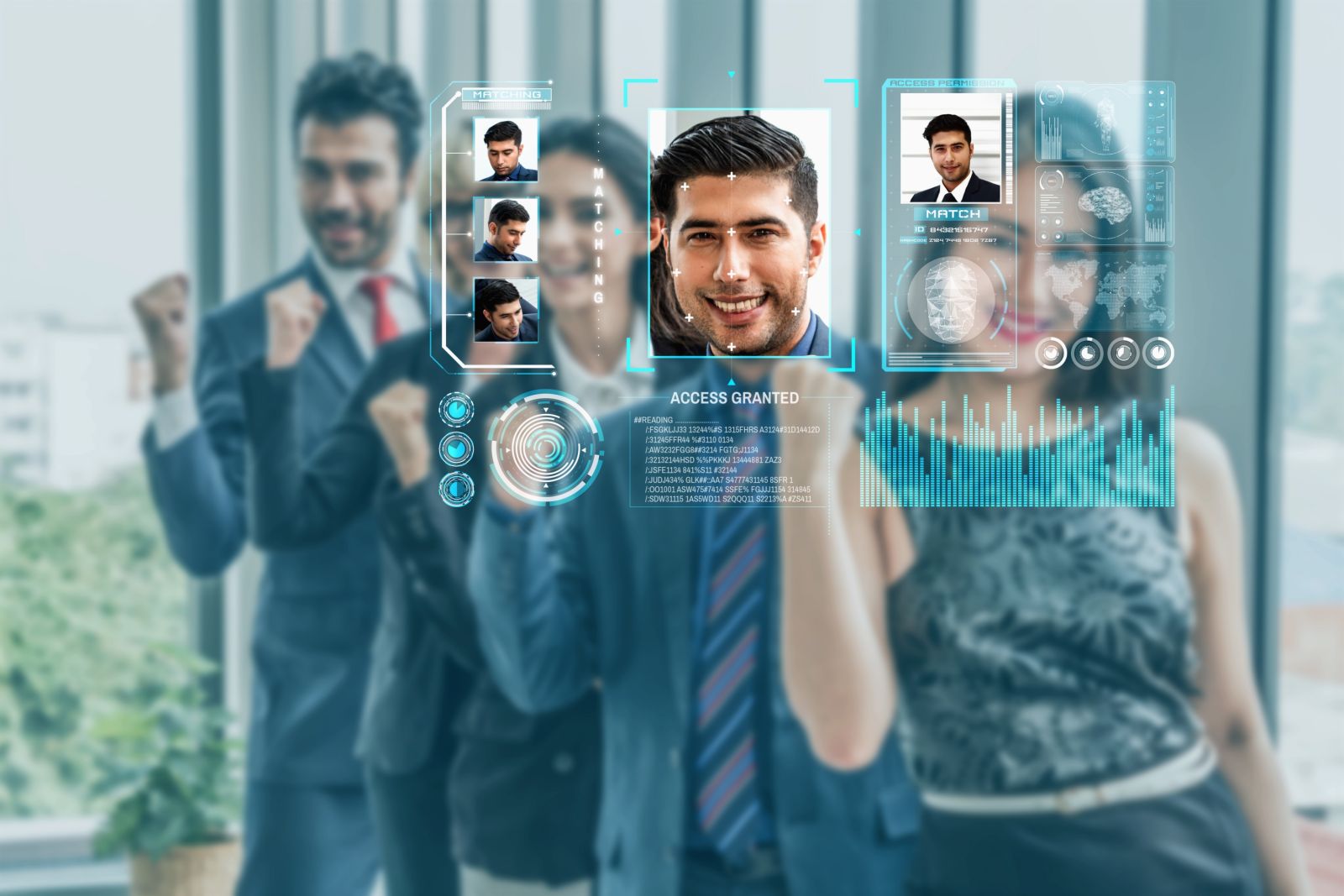
Facial recognition is an intelligent image recognition technology that combines Computer Vision and Artificial Intelligence (AI). By analyzing unique facial features — such as eye spacing, nose shape, mouth proportions, and jawline contours — the system converts facial images into exclusive digital feature data known as Face Embeddings, then performs real-time matching against a database for identity verification or person recognition.
In simple terms, facial recognition allows cameras to “understand who a person is,” transforming surveillance systems from passive recording devices into AI-powered visual intelligence platforms capable of analysis and decision-making.
Thanks to its three key advantages — contactless authentication, real-time recognition, and high accuracy — facial recognition technology is now widely used in enterprise security, financial verification, smart retail, education management, and smart city applications, becoming one of the core technologies behind modern intelligent management systems.
Three Major Advantages of Facial Recognition Technology
1. High Efficiency with Enhanced Security
Facial recognition enables fast identity verification without requiring physical contact, access cards, or password input.
It is especially suitable for environments with high pedestrian traffic, such as office buildings, factories, campuses, and residential communities, improving access efficiency while reducing security risks caused by lost cards or leaked passwords.
2. Highly Accurate Identity Verification
Compared with traditional passwords, mobile verification, or access cards, facial features provide significantly higher uniqueness and are much harder to impersonate.
This makes facial recognition ideal for financial transactions, sensitive data access, and high-security facilities requiring reliable authentication mechanisms.
3. Easy System Integration
Facial recognition systems can be rapidly integrated with existing surveillance systems, access control platforms, attendance systems, and cybersecurity infrastructure.
By combining AI cameras, edge AI servers, and centralized management platforms, organizations can quickly build complete intelligent recognition solutions while minimizing deployment complexity.
How Does Facial Recognition Work?
1. Face Detection
The system first detects and locates human faces within video footage or images. Even when multiple people appear simultaneously, the AI can quickly identify and isolate each face in real time.
2. Feature Extraction
After detecting a face, the system extracts highly distinctive facial feature points, including eye spacing, nose width, cheekbone structure, and facial contours.
These features are then converted into mathematical vectors known as Face Embeddings, which function similarly to digital facial fingerprints with extremely high uniqueness.
3. Face Matching
Finally, the generated facial embedding is compared against a database. Based on similarity scores, the system determines whether the individual matches an authorized identity and can then trigger actions such as door access, alerts, or event logging.
Common Applications of Facial Recognition Technology
Security & Access Control
-
Facial recognition access control systems
- VIP / whitelist authentication
- Blacklist alert notifications
- Government and public security surveillance
Smart Retail
- Membership identification
- Customer behavior analytics
- Personalized marketing recommendations
Smart Cities
- Public safety monitoring
- Suspicious person tracking
- Crowd flow and gathering analysis
Education & Attendance Management
- Automated check-in systems
- Contactless attendance tracking
- Prevention of proxy attendance or exam impersonation
To achieve higher levels of cybersecurity and physical security, facial recognition is increasingly being integrated into two-factor authentication systems.
Is Facial Recognition Accurate?
Under proper lighting conditions with clear facial visibility, modern AI facial recognition systems can achieve extremely high recognition accuracy.
However, performance may still be affected by factors such as:
- Poor lighting or backlighting
- Face coverings such as masks, hats, or sunglasses
- Low camera resolution
- Significant changes in age or appearance
As a result, camera quality, AI algorithm performance, and overall system integration architecture all play important roles in determining recognition accuracy.
How Facial Recognition Integrates with Access Control Systems
When a person enters the recognition area, the AI facial recognition system captures facial features in real time and compares them against backend databases. If authorization conditions are met, the system automatically sends an unlock command to the access controller, enabling a fully contactless access experience.
Compared with traditional card-based or password-based systems, facial recognition provides faster authentication while reducing risks such as card sharing, stolen credentials, or tailgating.
In practical deployments, facial recognition is often combined with additional authentication methods such as:
- Access cards
- Mobile NFC
- PIN codes
- QR Codes
This creates a complete two-factor authentication mechanism where users must pass two independent verification methods before access is granted, significantly improving overall security and management reliability.
Facial Recognition Regulations & Privacy Considerations
Because facial recognition involves biometric personal data, organizations must prioritize not only recognition performance and security, but also compliance with privacy and personal data regulations.
In Taiwan, facial recognition data is generally regulated under the Personal Data Protection Act. Organizations should clearly disclose:
- The purpose of data collection
- Usage methods
- Data retention policies
- Access permissions and protection measures
Before deployment, companies should also provide biometric data collection and consent documentation for employees or users to review and sign.
Enhance Enterprise Security with Spark Facial Recognition Solutions
Spark integrates AI image recognition, edge computing, and intelligent video management platforms to provide complete end-to-end smart security solutions.
From office buildings and industrial facilities to campuses, residential communities, and public infrastructure, Spark helps organizations build safer, smarter, and more efficient next-generation video management systems.
Contact Spark today to create your intelligent security experience.
Facial recognition is an intelligent image recognition technology that combines Computer Vision and Artificial Intelligence (AI). By analyzing unique facial features — such as eye spacing, nose shape, mouth proportions, and jawline contours — the system converts facial images into exclusive digital feature data known as Face Embeddings, then performs real-time matching against a database for identity verification or person recognition.
In simple terms, facial recognition allows cameras to “understand who a person is,” transforming surveillance systems from passive recording devices into AI-powered visual intelligence platforms capable of analysis and decision-making.
Thanks to its three key advantages — contactless authentication, real-time recognition, and high accuracy — facial recognition technology is now widely used in enterprise security, financial verification, smart retail, education management, and smart city applications, becoming one of the core technologies behind modern intelligent management systems.
Three Major Advantages of Facial Recognition Technology
1. High Efficiency with Enhanced Security
Facial recognition enables fast identity verification without requiring physical contact, access cards, or password input.
It is especially suitable for environments with high pedestrian traffic, such as office buildings, factories, campuses, and residential communities, improving access efficiency while reducing security risks caused by lost cards or leaked passwords.
2. Highly Accurate Identity Verification
Compared with traditional passwords, mobile verification, or access cards, facial features provide significantly higher uniqueness and are much harder to impersonate.
This makes facial recognition ideal for financial transactions, sensitive data access, and high-security facilities requiring reliable authentication mechanisms.
3. Easy System Integration
Facial recognition systems can be rapidly integrated with existing surveillance systems, access control platforms, attendance systems, and cybersecurity infrastructure.
By combining AI cameras, edge AI servers, and centralized management platforms, organizations can quickly build complete intelligent recognition solutions while minimizing deployment complexity.
How Does Facial Recognition Work?
1. Face Detection
The system first detects and locates human faces within video footage or images. Even when multiple people appear simultaneously, the AI can quickly identify and isolate each face in real time.
2. Feature Extraction
After detecting a face, the system extracts highly distinctive facial feature points, including eye spacing, nose width, cheekbone structure, and facial contours.
These features are then converted into mathematical vectors known as Face Embeddings, which function similarly to digital facial fingerprints with extremely high uniqueness.
3. Face Matching
Finally, the generated facial embedding is compared against a database. Based on similarity scores, the system determines whether the individual matches an authorized identity and can then trigger actions such as door access, alerts, or event logging.
Common Applications of Facial Recognition Technology
Security & Access Control
-
Facial recognition access control systems
- VIP / whitelist authentication
- Blacklist alert notifications
- Government and public security surveillance
Smart Retail
- Membership identification
- Customer behavior analytics
- Personalized marketing recommendations
Smart Cities
- Public safety monitoring
- Suspicious person tracking
- Crowd flow and gathering analysis
Education & Attendance Management
- Automated check-in systems
- Contactless attendance tracking
- Prevention of proxy attendance or exam impersonation
To achieve higher levels of cybersecurity and physical security, facial recognition is increasingly being integrated into two-factor authentication systems.
Is Facial Recognition Accurate?
Under proper lighting conditions with clear facial visibility, modern AI facial recognition systems can achieve extremely high recognition accuracy.
However, performance may still be affected by factors such as:
- Poor lighting or backlighting
- Face coverings such as masks, hats, or sunglasses
- Low camera resolution
- Significant changes in age or appearance
As a result, camera quality, AI algorithm performance, and overall system integration architecture all play important roles in determining recognition accuracy.
How Facial Recognition Integrates with Access Control Systems
When a person enters the recognition area, the AI facial recognition system captures facial features in real time and compares them against backend databases. If authorization conditions are met, the system automatically sends an unlock command to the access controller, enabling a fully contactless access experience.
Compared with traditional card-based or password-based systems, facial recognition provides faster authentication while reducing risks such as card sharing, stolen credentials, or tailgating.
In practical deployments, facial recognition is often combined with additional authentication methods such as:
- Access cards
- Mobile NFC
- PIN codes
- QR Codes
This creates a complete two-factor authentication mechanism where users must pass two independent verification methods before access is granted, significantly improving overall security and management reliability.
Facial Recognition Regulations & Privacy Considerations
Because facial recognition involves biometric personal data, organizations must prioritize not only recognition performance and security, but also compliance with privacy and personal data regulations.
In Taiwan, facial recognition data is generally regulated under the Personal Data Protection Act. Organizations should clearly disclose:
- The purpose of data collection
- Usage methods
- Data retention policies
- Access permissions and protection measures
Before deployment, companies should also provide biometric data collection and consent documentation for employees or users to review and sign.
Enhance Enterprise Security with Spark Facial Recognition Solutions
Spark integrates AI image recognition, edge computing, and intelligent video management platforms to provide complete end-to-end smart security solutions.
From office buildings and industrial facilities to campuses, residential communities, and public infrastructure, Spark helps organizations build safer, smarter, and more efficient next-generation video management systems.
Contact Spark today to create your intelligent security experience.
urity experience.